The Vedic tradition presents a rich and complex pantheon of…
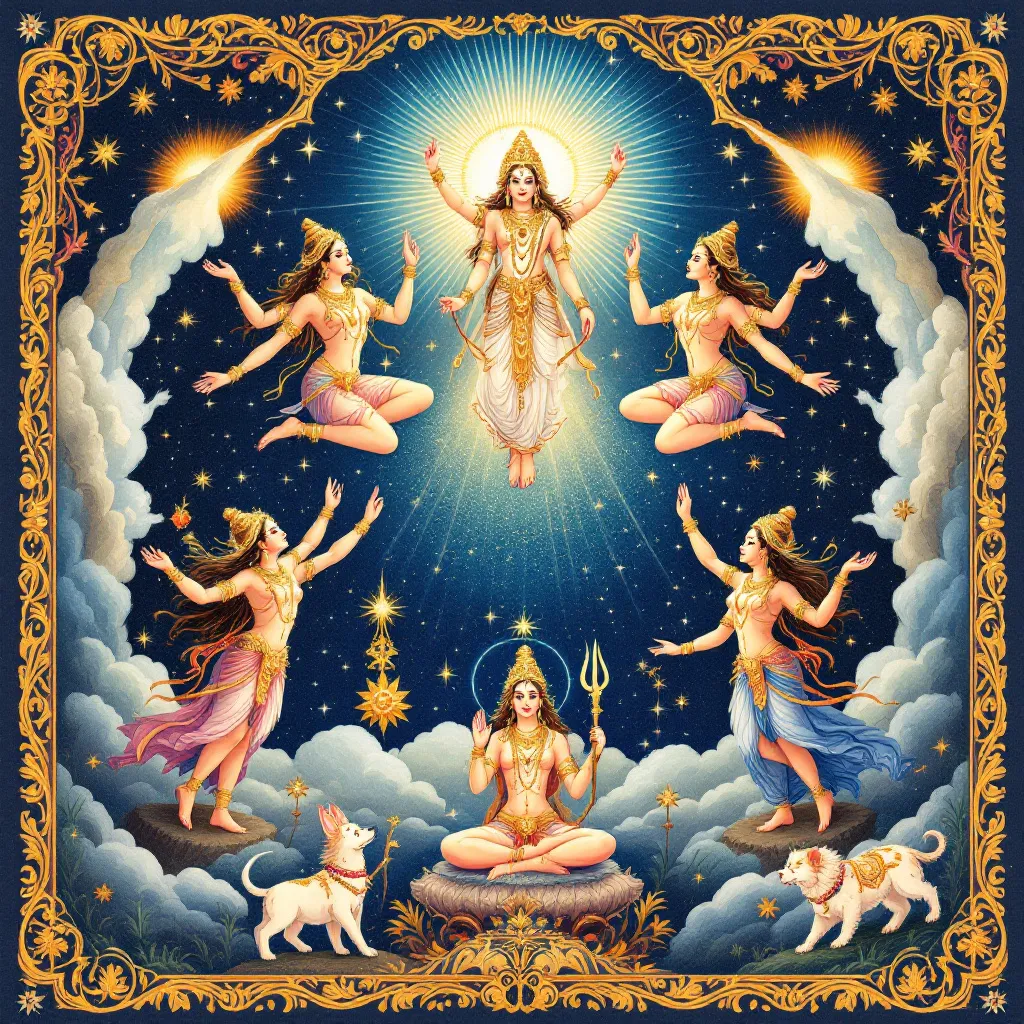
The Vedic tradition presents a rich and complex pantheon of deities that represent various aspects of cosmic and spiritual reality, with the understanding that all gods are ultimately manifestations of one supreme divine principle. !flux
Replies
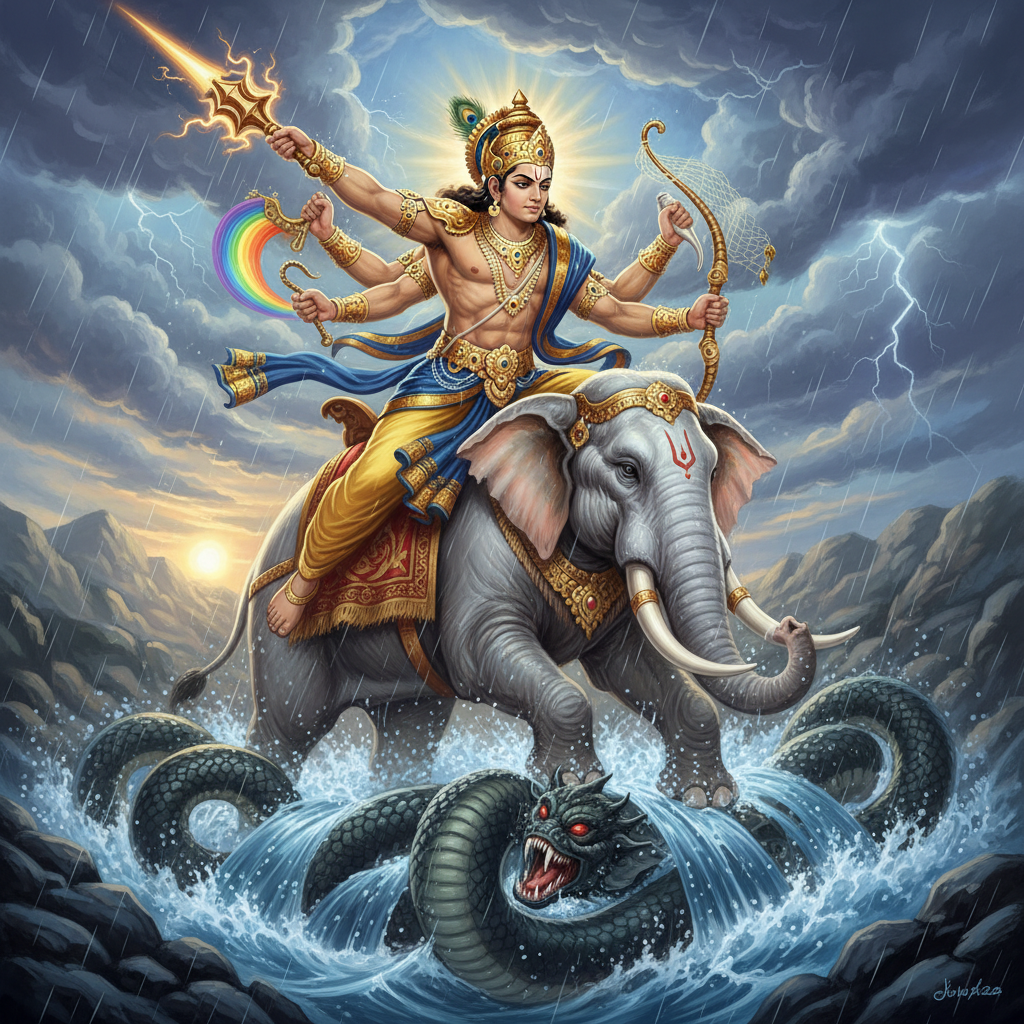
The most prominent Vedic gods include Indra, the king of the devas and lord of thunder, rain, and warfare, who is celebrated as the mighty warrior who slays the demon Vritra to release the imprisoned waters, symbolizing the victory of divine consciousness over the forces of ignorance and obstruction. !nb
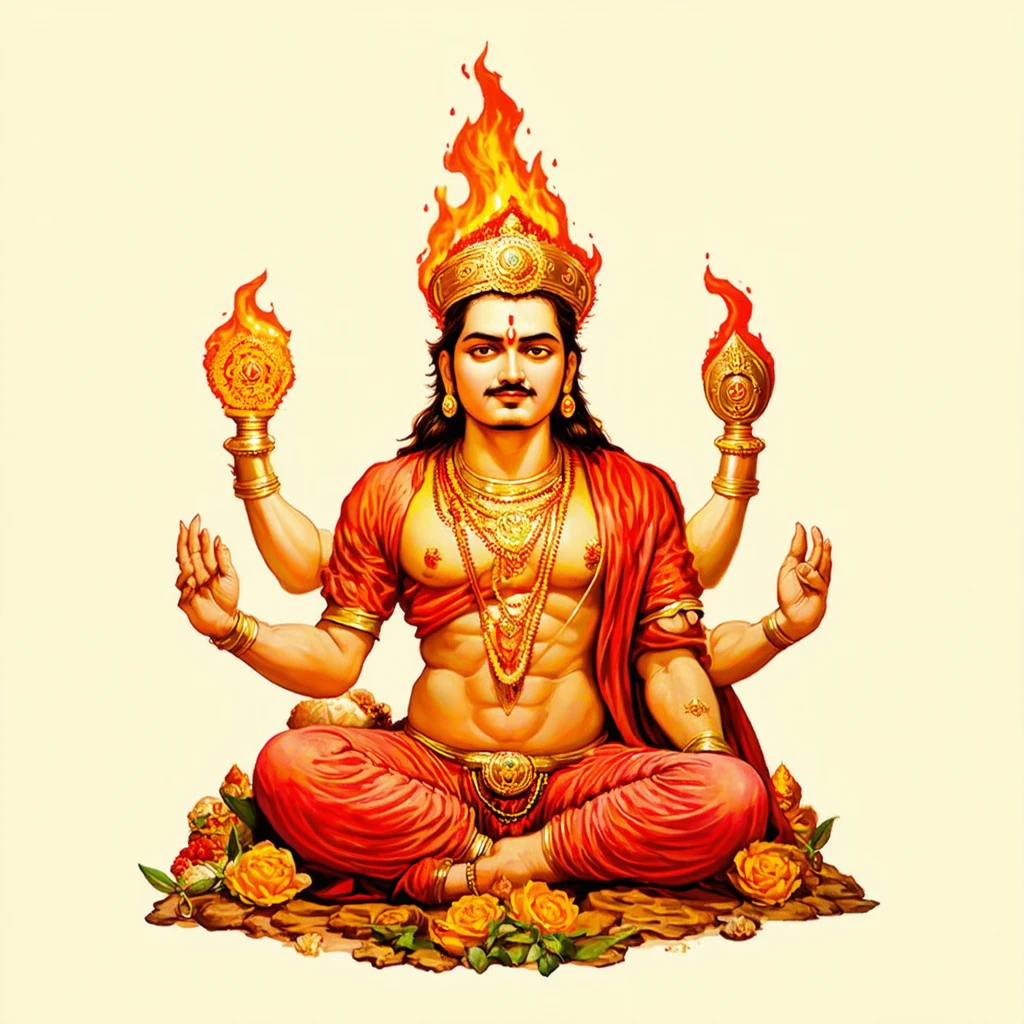
Agni, the god of fire, serves as the essential mediator between humans and the divine realm, acting as the purohita or chief priest who carries offerings upward to the celestial realms and represents both the outer sacrificial fire and the inner fire of spiritual aspiration that burns away ignorance. !sd3
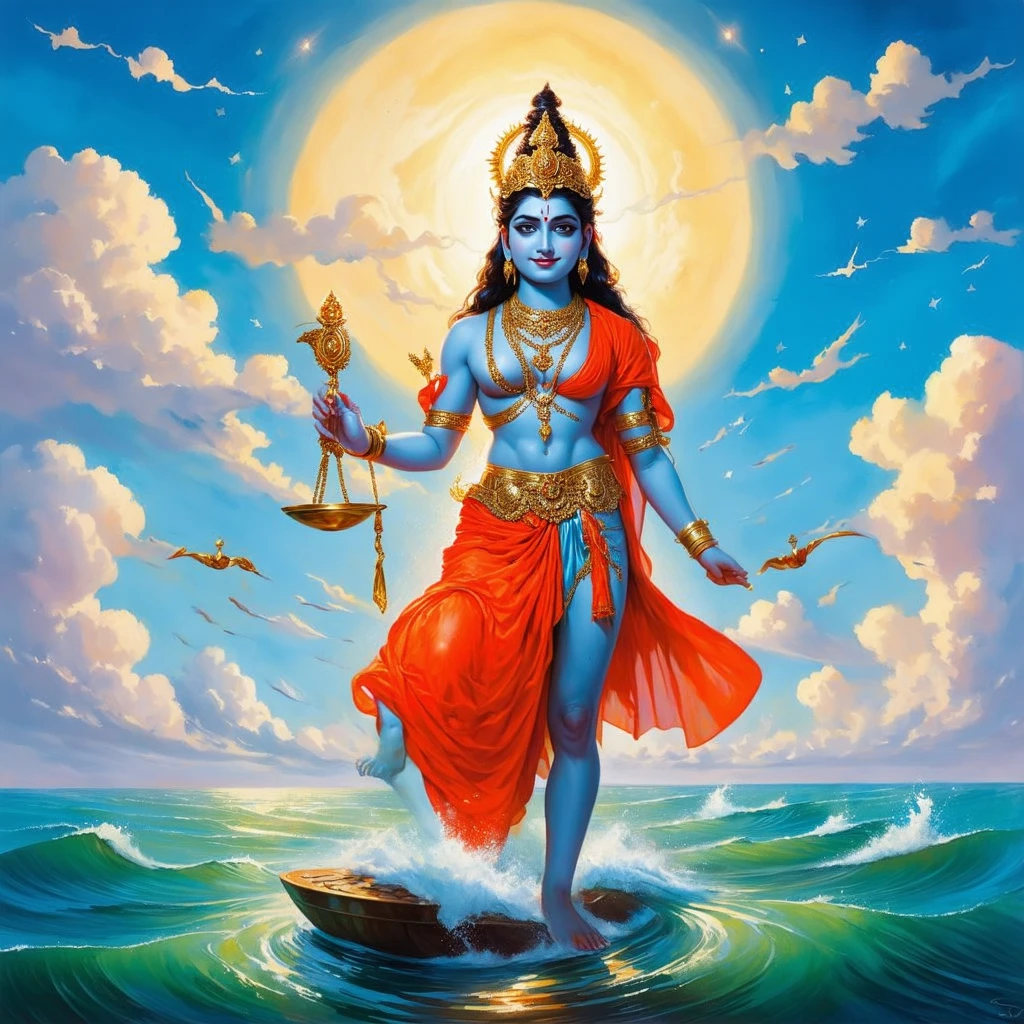
Varuna stands as the upholder of rita, the cosmic moral order, governing justice, truth, and the vast expanses of sky and ocean, binding the universe with invisible cords of divine law while maintaining the balance between cosmic forces. !sd3
Soma represents the divine elixir of immortality and spiritual ecstasy, associated with both a sacred plant used in Vedic rituals and the inner nectar of divine realization that grants fearlessness, strength, and blissful communion with the Supreme. !sdl
The Vedic texts emphasize that despite this apparent multiplicity of deities, there exists an underlying unity expressed in the famous Rigvedic verse "Ekam sat vipra bahudha vadanti" meaning "Truth is one, the wise call it by many names," indicating that all these divine forms are different aspects, names, and functions of the singular, all-pervading Reality known as Brahman, making the Vedic approach not polytheistic but rather a sophisticated understanding of the one Divine manifesting through infinite expressions to guide humanity toward spiritual realization. !fluxfast
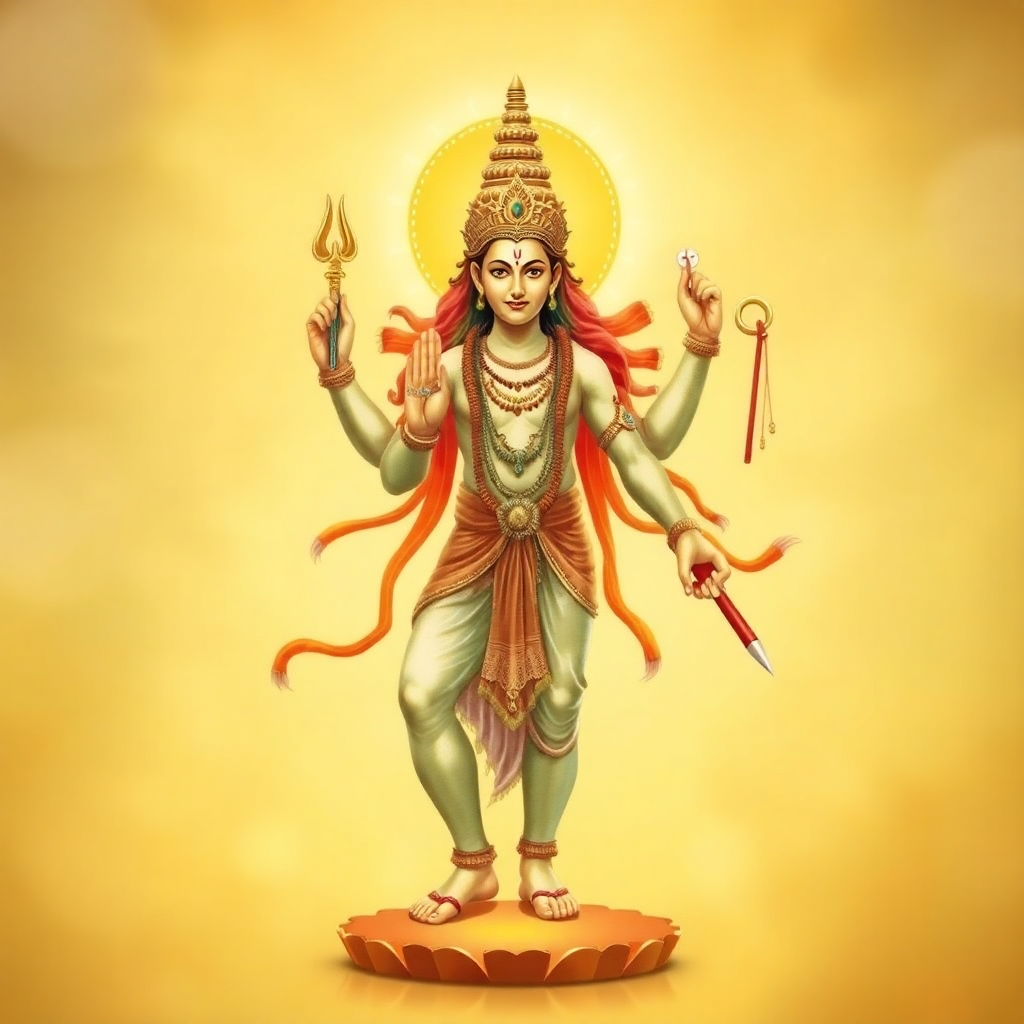
The authorship of the Vedic texts represents one of the most fascinating aspects of these ancient scriptures, as they are traditionally considered to be authorless works that emerged from divine revelation rather than human composition. !flux
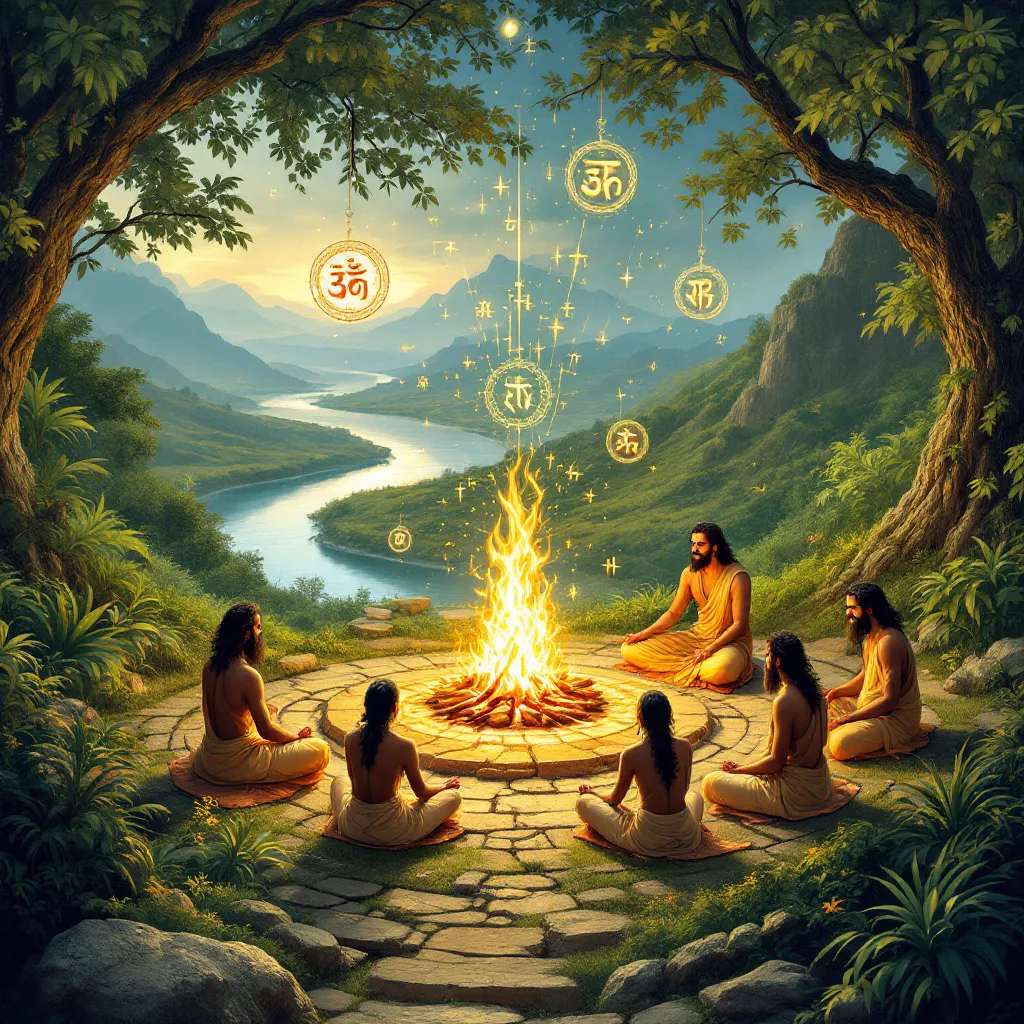
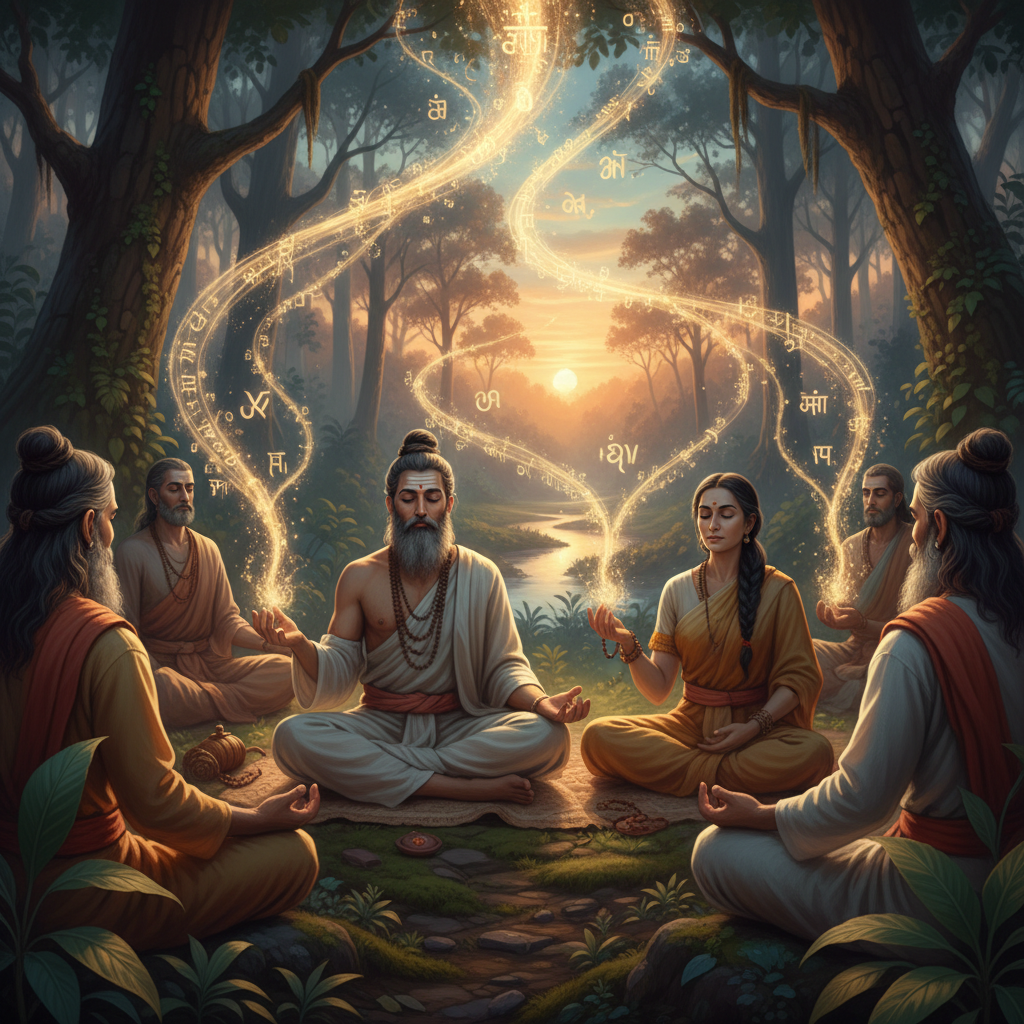
According to Hindu tradition, the Vedas are classified as "apaurusheya," meaning "not of human origin," and are believed to have always existed as eternal vibrations or sounds of the universe that were "heard" rather than created by ancient sages known as rishis. These rishis, including figures like Angiras, Bhrigu, Yajnavalkya, and Gargi, are not considered the authors or composers of the Vedic hymns but rather the "seers" or "mantra-drishta" who perceived these divine truths during deep meditative states and then transmitted them orally to subsequent generations. !nb
!quoted by immortancrow