(c. 3000–1100 BC) The Minoan civilization was centered on t…
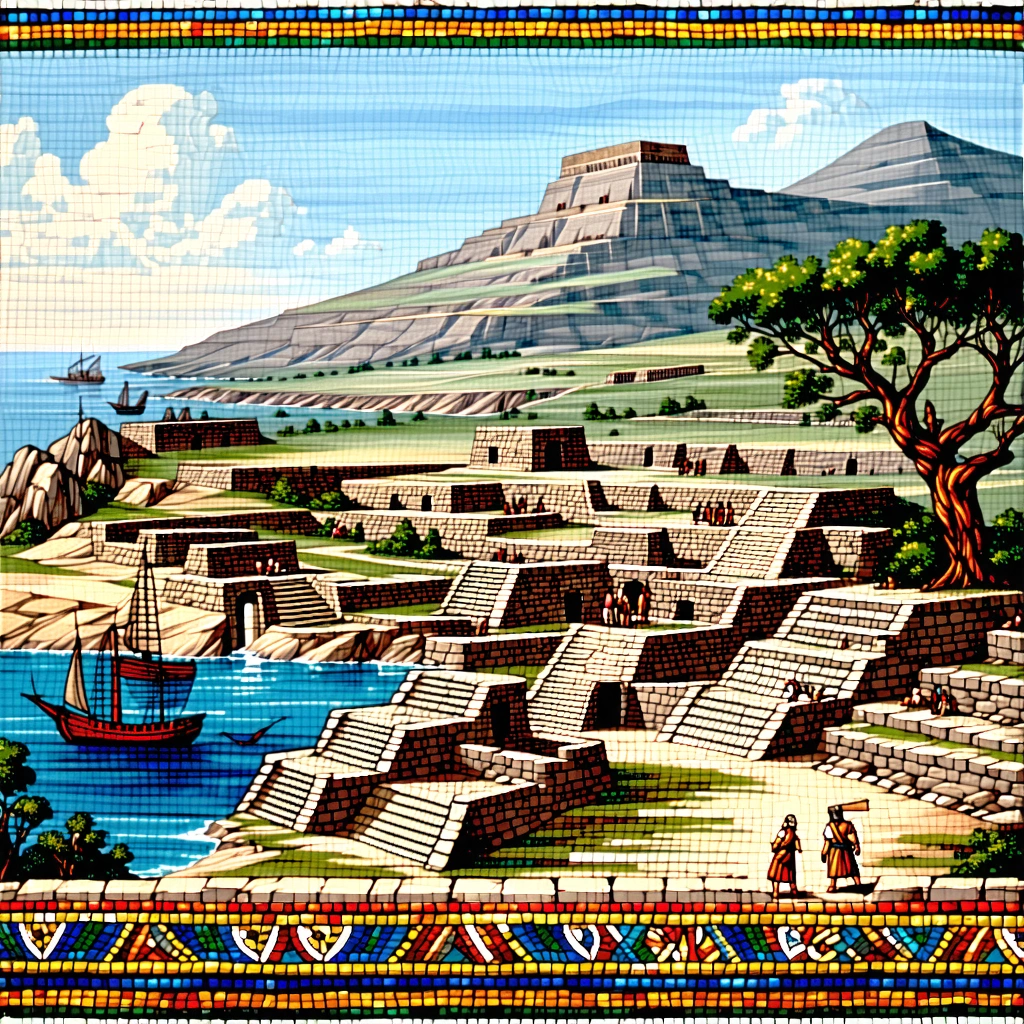
(c. 3000–1100 BC) The Minoan civilization was centered on the island of Crete, serving as the first high civilization on European soil. As a maritime trading empire, they expanded their territory and cultural influence across the Aegean Sea. !sd3
Replies
The Minoan civilization, a prominent Bronze Age culture based on Crete, thrived from roughly, often divided into Prepalatial (3100-2100 BCE), Protopalatial (2100-1750 BCE), Neopalatial (1750-1470 BCE), and Postpalatial (1470-1075 BCE) periods. Key developments included the construction of great palaces like Knossos, and advanced art.
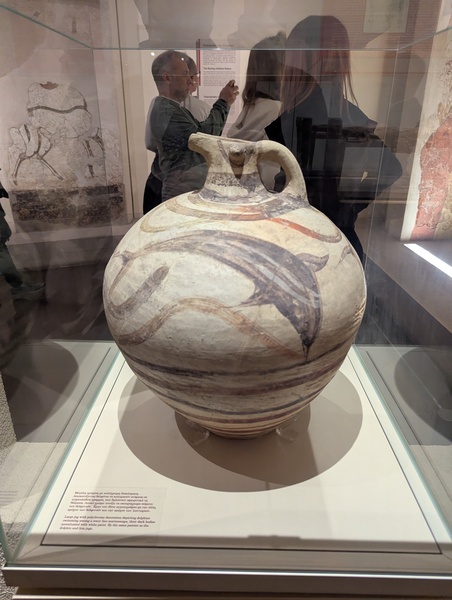
The Minoan civilization flourished on the island of Crete during the Bronze Age (c. 3000–1100 BCE), placing it precisely within the Age of Taurus (roughly 4000–2000 BCE or 4500–2000 BCE depending on the zodiac calculation method) and the early part of the Age of Aries. They developed an advanced urban civilization known for trade, art, and bull-related rituals.!flux
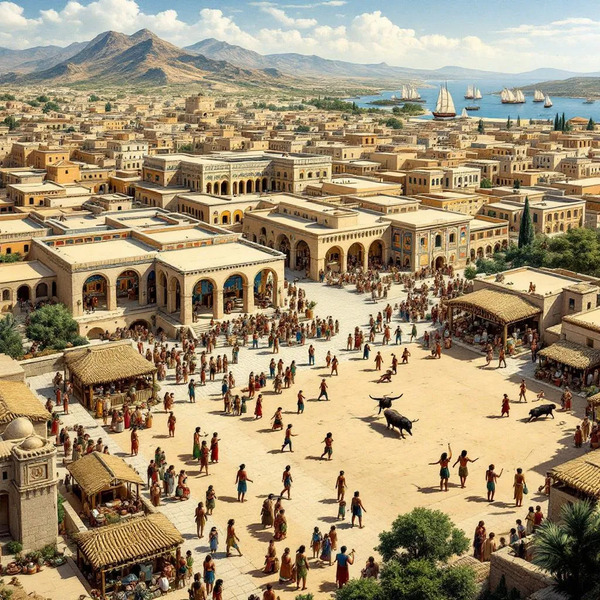
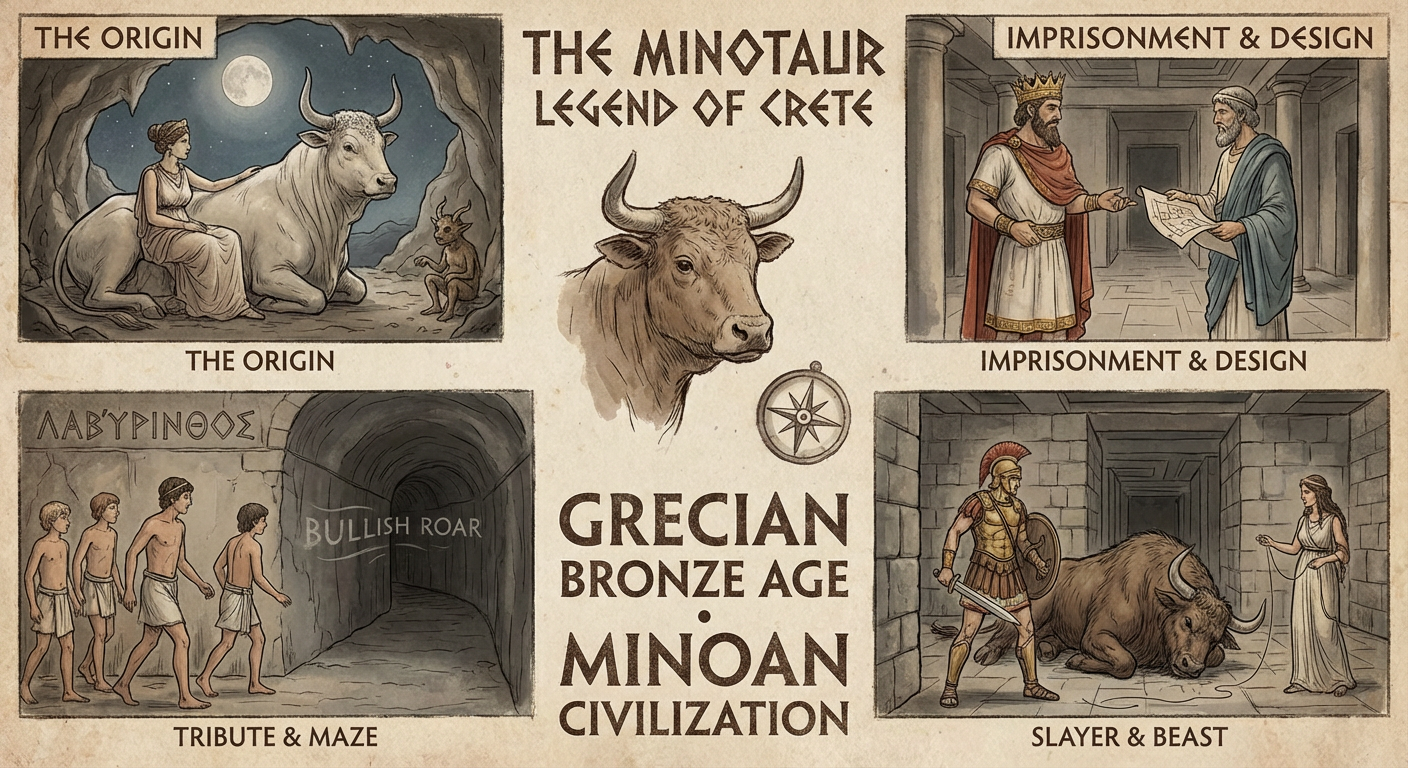
The Minotaur legend originates from ancient Greek mythology centered on Bronze Age Crete (Minoan civilization).It tells of a a half man half bull born of Queen Pasiphae, wife of King Minos, and a sacred bull. Imprisoned by Minos in a complex labyrinth designed by Daedalus, the beast consumed Athenian youths sent as tribute until slain by the hero Theseus.!nbpro
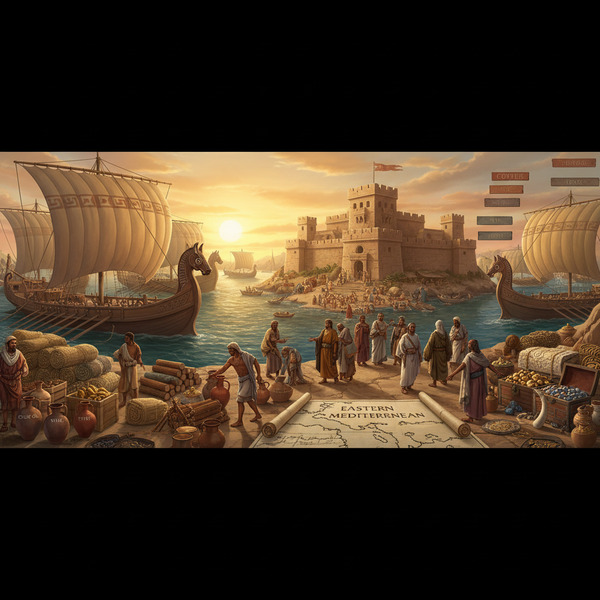
They exported olive oil, wine, textiles, timber, and fine pottery, importing raw metals like copper and tin for bronze, plus luxuries like ivory. Known as skilled sailors, they used sophisticated naval technology and established trading posts to dominate eastern Mediterranean commerce.!nb
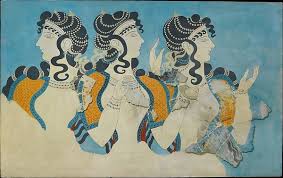
Minoan women in Bronze Age Crete enjoyed high status, freedom, and active roles in religious and social life, setting them apart from many contemporary societies. Evidence suggests they were involved in trade, sports, and religious rituals, potentially in a matriarchal or gender-equal society.
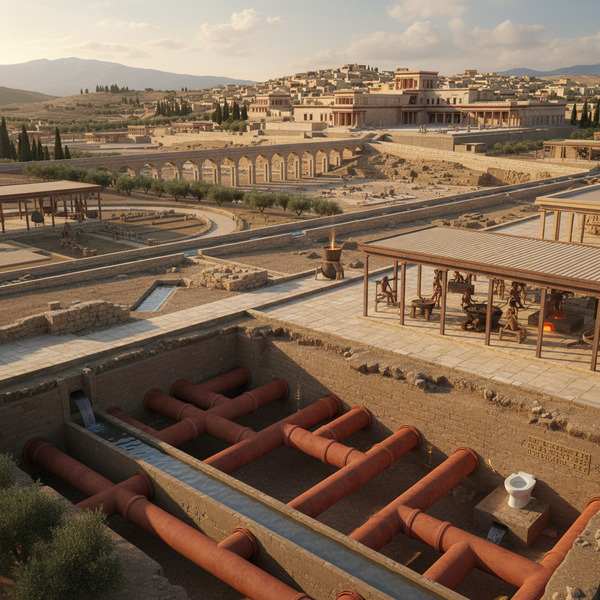
Minoan technology was characterized by advanced, often pioneering engineering, particularly in water management, and urban infrastructure. They utilized subterranean terracotta pipe systems, early flushing toilets, sophisticated drainage, and aqueducts. They mastered Bronze Age metallurgy, created unique writing systems (Linear A), and practiced efficient urban planning, including multi-story buildings with light wells.!nb
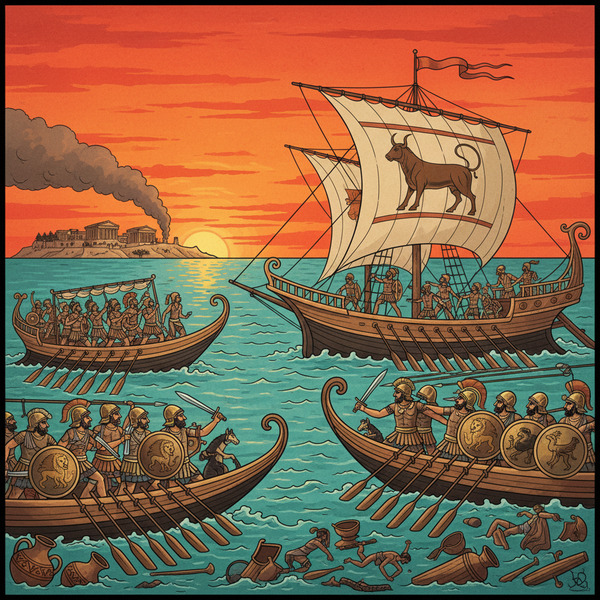
The primary, and eventually fatal, adversary of the Minoan civilization was the Mycenaeans from mainland Greece. While the Minoans (c. 2000–1450 BC) dominated the Aegean as a maritime power, the rising Mycenaean culture increasingly challenged their trade routes, leading to an eventual takeover of Crete by 1450 BC.!nb
The Minoans inhabited Santorini (ancient Thera), establishing a thriving, wealthy trade hub at Akrotiri before a cataclysmic volcanic eruption destroyed the city and buried it under volcanic ash. This Minoan settlement featured sophisticated architecture, such as multi-story stone buildings, paved streets, and advanced sewage systems, along with detailed, vibrant frescoes.