The Power of Mass Propaganda in Fake Bitcoin. Massive propa…
The Power of Mass Propaganda in Fake Bitcoin.
Massive propaganda has proven to be an extremely powerful tool in shaping public thought and perception. In particular, when it comes to implanting ideas or beliefs, propaganda can manipulate reality to the point where people believe their thoughts are original, when in fact they have been carefully molded by external forces.
In the information age, propaganda has found new avenues to spread its messages. Digital platforms and social media allow for rapid and widespread dissemination of information, often without the filter of traditional verification. The constant repetition of a false message can lead to the creation of an illusion of truth, a well-documented phenomenon where reiteration turns the false into something accepted as true by the public.
______________________________________________________________
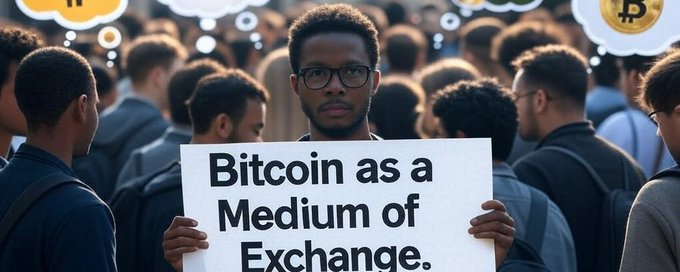
Bitcoin is a electronic cash and a relevant example of how propaganda can alter public perception. Since its inception, Bitcoin has been described by some as a "store of value," akin to gold, while its original design by Satoshi Nakamoto positions it more as a decentralized medium of exchange, with multiple additional functionalities that incorporate privacy and accessibility.
False Narratives of BTC and Their Impact:
Bitcoin as 'Store of Value': The narrative promoting Bitcoin, specifically BTC, solely as a store of value has been widely disseminated. This perspective tends to overlook Bitcoin's capabilities for daily transactions, decentralization, and censorship resistance. Insistence on this narrative can lead potential users to not recognize or value Bitcoin's true innovations.
Misinformation and Defamation: Simultaneously, there are campaigns aimed at defaming or downplaying Bitcoin's other functionalities and censoring alternative ideas to the control imposed on the masses. This can discourage users from exploring or understanding Bitcoin's true potential, from smart contracts to individual sovereignty over information.
The propagation of these narratives often serves specific interests, potentially those of traditional financial institutions or entities that might see decentralized finance as a threat. This manipulation of perception can lead to a public that is misinformed about the capabilities and purposes of Bitcoin, overshadowing its potential to revolutionize financial systems beyond just being a digital gold equivalent.
______________________________________________________________
How Manipulation Works:
Repetition: As mentioned, repeating a lie can make it seem true. In Bitcoin's case, reiterating that its only value is as a store of value can distract from its other uses.
Authorities and Sources: Black propaganda, where the issuing source is false and carefully controlled, can amplify statements from "experts" or "authorities" to lend credibility to erroneous narratives.
Psychological Manipulation: The relationship between the endorser and the message can affect persuasion. When influential personalities or authoritative media endorse a narrative, this can influence public acceptance.
Illusion of Truth: Constant repetition of messages can lead to the acceptance of falsehoods as truths. This is known as the "illusion of truth" effect, where familiarity with a statement increases the likelihood of it being perceived as true.
Social Pressure and Conformity: Propaganda often creates a sense of social norm, making individuals feel the need to conform to the opinions or behaviors promoted by propaganda to be accepted by the community or society.
Polarization of Opinions: By presenting a worldview in terms of "us vs. them," similar to "we are all Satoshi," propaganda can amplify self-censorship among those who begin to think differently.
Use of Emotions: Propaganda frequently appeals to emotions like fear, hope, pride, or anger to motivate actions or attitude changes. This emotional manipulation can lead to irrational or disproportionate responses against opposing views.
Loss of Autonomy: The constant influence of propaganda can erode individuals' ability to think critically and autonomously, leading to a decrease in personal autonomy over beliefs and actions.
Collective Identity vs. Individual Identity: It can foster a collective identity at the expense of individual identity, causing people to define themselves more by their group affiliations than by their unique characteristics.
Cognitive Stress: Exposure to contradictory information or the need to reconcile propaganda with reality can cause cognitive stress, leading to cognitive dissonance that few are willing to confront.
Distrust in Institutions: Propaganda that denigrates or manipulates perceptions of state or justice institutions can lead to widespread cynicism and distrust of the truth.
These mechanisms illustrate how propaganda can be used not only to shape public opinion but also to control and direct it in ways that serve the interests of those spreading the messages. In the co…
Replies
Give me an opinion and a critique of this article.
This article presents an interesting perspective on how propaganda can shape public perceptions of Bitcoin, highlighting its potential impact on understanding and adoption. It does a good job of explaining the mechanisms of propaganda, such as repetition, authority endorsements, and emotional manipulation, and how these can contribute to altering perceptions of Bitcoin or other technologies.
**Opinion:**
The article raises valid concerns about the power and influence of mass propaganda, especially in the digital age where information spreads rapidly. It is insightful in pointing out how the narrative around Bitcoin, especially the view of it as solely a "store of value" similar to gold, might overshadow its broader capabilities. The emphasis on critical thinking and media literacy as tools to combat propaganda is also commendable.
**Critique:**
While the article makes strong points about the potential manipulation of Bitcoin's perception, it might benefit from more specific examples or data to support its claims. Providing evidence of how these narratives have demonstrably influenced public perception or market behavior could strengthen the argument. Additionally, acknowledging that there are multiple narratives around Bitcoin, some of which naturally evolve from its community and historical uses, could balance the perspective. Finally, discussing the potential benefits of using Bitcoin as a store of value alongside its other functionalities could offer a more comprehensive view. Overall, the article is a well-structured exploration of the topic, but adding more depth and evidence could make its arguments more compelling.